
Packaging design process for startups
From an idea to a brand people want to pick up
Starting a product brand can feel complicated. You might have the product, a possible name and a folder of visual references, but not yet know how those pieces become a credible brand and a pack that is ready to make.
You do not need a finished brief, supplier or dieline. I help define the audience, build the identity, design a scalable packaging system and prepare the practical assets needed for launch.

A clear route forward
A packaging design process for startups, built around your launch
Every startup is different, but the core process is consistent. We make the commercial decisions first, establish a useful creative direction, then build the identity and packaging around the real product, the real customer and the way it will be produced.
I am a UK freelance packaging designer based in London, providing packaging design for startups across food, drinks, supplements, wellness and cosmetics. The process is shaped around what already exists and what your launch still needs.
The six stages
From product thinking to launch-ready assets
The stages connect, but they are not rigid. A startup with an established name and supplier needs a different route from a founder who is still defining the audience, product range and pack format.
-
01 Define
Understand the product, customer and market

POP DROP - Early concept development We start with what you are selling, who it is for, the problem it solves, the likely price and where it needs to be discovered. 'Everyone' is not a useful audience. Age, lifestyle, spending habits, values and buying context all change what the pack needs to communicate.
A £3 wellness drink sold through gyms and cafés needs a different kind of reassurance from a £60 skincare product sold online. Those commercial differences shape the tone, hierarchy and visual ambition before design begins.
Product - customer - price - channel - competition
-
02 Position
Establish the name, positioning and visual references

Witty & Violet - Brand and pack development If the name already exists, we test whether it gives the brand enough room to grow. If it does not, naming and brand identity design can be part of the scope. A Pinterest board, saved folder or simple collection of references is also useful - what you dislike can be just as revealing as what you like.
Naming support can include competitor research, an initial review of obvious conflicts and relevant domain options. This is not legal clearance. A qualified trademark professional should confirm availability before you commit to a name.
Name - positioning - references - initial research
-
03 Plan
Define the scope and plan the range

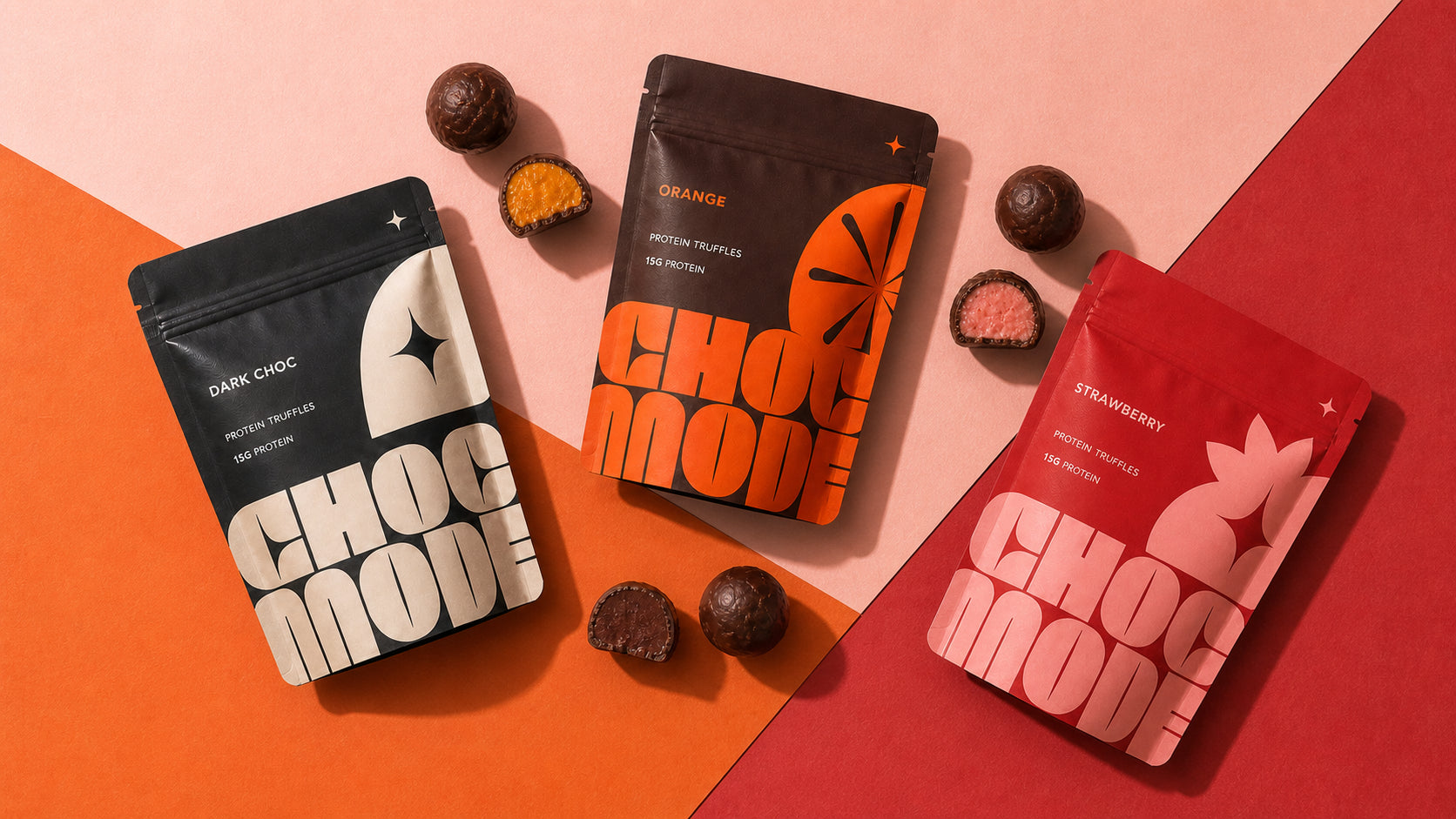
Euno - Planning a scalable range We establish what needs to be designed now: the identity, pack format, label or carton, number of products, artwork, 3D visuals and launch assets. Then we look one step ahead. Are more flavours, strengths, sizes or related products likely to follow?
The first pack should be the beginning of a system, not an isolated design. Planning the hierarchy, colour logic and information zones early makes future variants easier to recognise, navigate and produce.
Format - range - launch priorities - future variants
-
04 Design
Develop the brand and creative direction

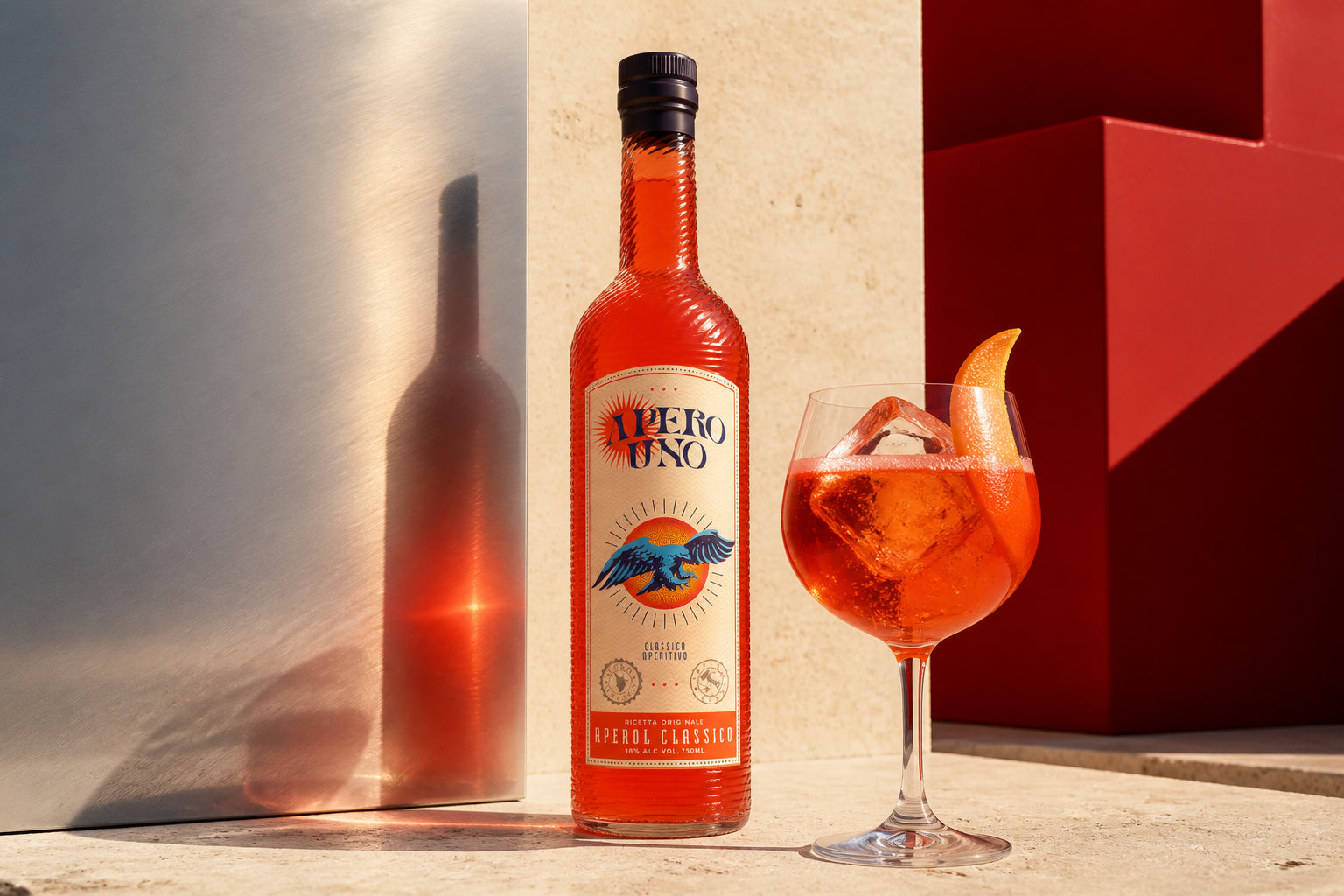
Apero Uno - Design detail With the product, audience, market and references clear, I develop a focused visual route. Typography, colour, photography, illustration, materials and finishes all contribute, but each choice needs a job to do.
Minimal does not have to mean empty, and bold does not have to mean noisy. The aim is not to decorate the pack. It is to create a distinctive, trustworthy identity that feels right for the customer and gives the product a clear place in the market.
Identity - hierarchy - character - shelf presence
-
05 Produce
Design packaging that works in production

Pulse Bean - Packaging development The chosen direction is applied to the real structure using the supplier's dieline and specifications wherever available. We resolve the information hierarchy, mandatory content, materials, print processes, finishes and how the design behaves around folds, seams, curves or small labels.
This is where creative decisions and production knowledge meet. The result should look convincing on screen and remain workable when it reaches the converter, printer or packing line.
Dielines - materials - print - information - feasibility
-
06 Launch
Prepare artwork and launch assets

Pulse Bean - Launch imagery Once the design is approved, I prepare the required print-ready artwork and extend the system across the agreed products. 3D product renders can show the intended pack before the first production run or photoshoot exists.
Those visuals can support ecommerce pages, retailer and investor presentations, launch campaigns, advertising and social content. Renders communicate the intended design direction; final colour, materials and finishes depend on production specifications and supplier proofs.
Artwork - variants - 3D renders - launch visuals


What the project can include
One connected system, shaped around what you need
Some founders need the complete route from naming to launch. Others already have a brand and need the pack, production artwork or product visuals resolved properly. The scope can be staged so the most important decisions happen first.
Naming and brand identity
A clear position, useful name and visual identity that gives the product a recognisable point of view.
Packaging and range systems
A distinctive pack and a practical system for products, flavours, sizes and future extensions.
Print-ready production artwork
Carefully resolved files built around the approved supplier specifications, dielines and print requirements.
3D product renders and launch imagery
Realistic product visuals for presentations, ecommerce, campaigns and launch content before photography exists.


Beyond the artwork
Decisions that make the design workable
A strong idea still has to survive materials, print processes, legal information, shelf life and the realities of production. Those constraints are part of the design process, not something left until the end.
Designed around the real pack
Whether the product uses a carton, pouch, label, bottle, tube, jar, can or sleeve, supplier specifications and dielines are brought in as early as possible. That keeps the structure, information hierarchy, print method and finishing choices connected to something that can actually be manufactured.
More than 20 years of packaging artwork and production experience helps me spot issues before they become expensive changes on press.
Sustainable choices without vague claims
Sustainability is a practical packaging question, not green decoration. We can explore ways to reduce materials and components, simplify formats and make recycling communication clearer where the product, shelf life and supply chain allow it.
Any environmental claim should be specific, evidence-based and supportable.
Independent by design
You work directly with me
The person you brief is the person thinking, designing and resolving the production detail. There are no account layers and no hand-off from a senior first conversation to somebody else. I stay close to the product, answer the practical questions and carry the same intent from the early decisions to the finished files.
That direct collaboration gives startup founders the strategic thinking of an agency with the clarity and accountability of working with one experienced designer.
Before we start
Send what you know. We can identify what is missing
A polished brief is useful, but it is not a requirement. A few practical details are enough to begin a productive conversation. Unconfirmed information is fine - the first job is to see which decisions still need resolving.
- 01 The product and what makes it useful
- 02 The customer you most want to reach
- 03 The likely packaging format
- 04 The range, variants or number of products
- 05 Any existing name, identity or packaging
- 06 A reference board or saved examples
- 07 The country, sales channel and target launch date
- 08 Supplier specifications or a dieline, if available


Practical answers
Common questions from startup founders
What you need before design begins, what can be worked out together and which route to take next.
Do I need a brand name before contacting you?
No. If you already have a name, we can assess how well it supports the product and future range. If you only have a product idea, naming and positioning can be included in the project. Formal trademark clearance should always be completed by a qualified IP professional.
Do I need a packaging supplier or dieline?
No, but both are needed before final production artwork can be completed. We can start with the product requirements and likely pack format, then bring the approved supplier specification and dieline into the process as soon as they are available.
Can we begin with one product and expand later?
Yes. The first product can be designed as the foundation of a wider system. We will consider likely flavours, strengths, sizes or related products early so the identity and information hierarchy can extend without being rebuilt each time.
Can you create visuals before the product is manufactured?
Yes. Realistic 3D product renders can communicate the intended pack for presentations, ecommerce, advertising and launch content before a finished product or photoshoot exists. Final production colour, materials and finishes remain subject to supplier proofs.
Should I request a quote or book a consultation?
Request a packaging design quote when the product, likely scope, timing and budget are reasonably clear. Book a consultation when you first need help defining the route, pack format, priorities or information still missing.
Ready when you are
Turn the idea into a launch-ready brand
If the product and scope are reasonably clear, send the project details for a considered quote. If the route, pack format or priorities still need defining, book a consultation first.