
Bottle and product label design
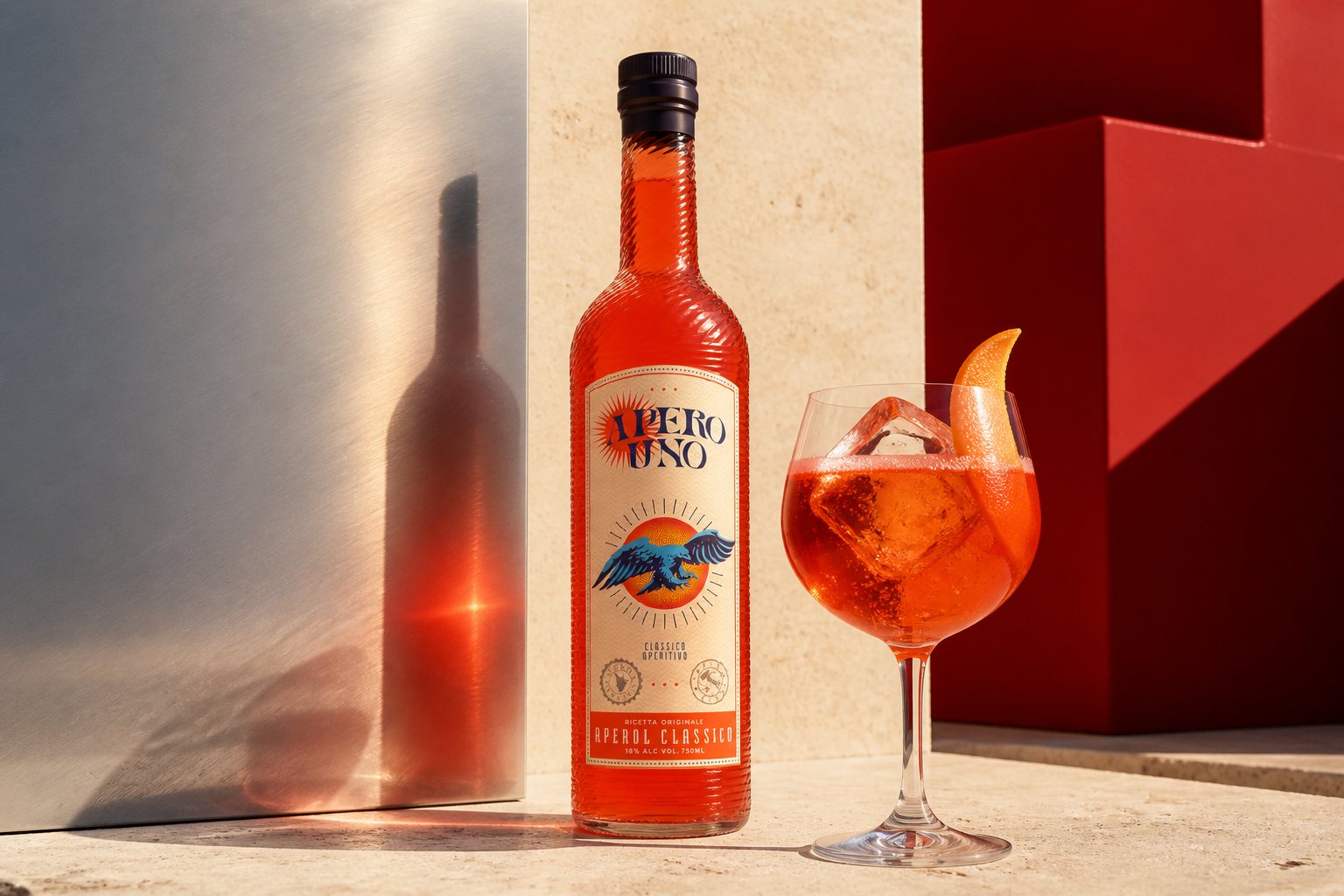
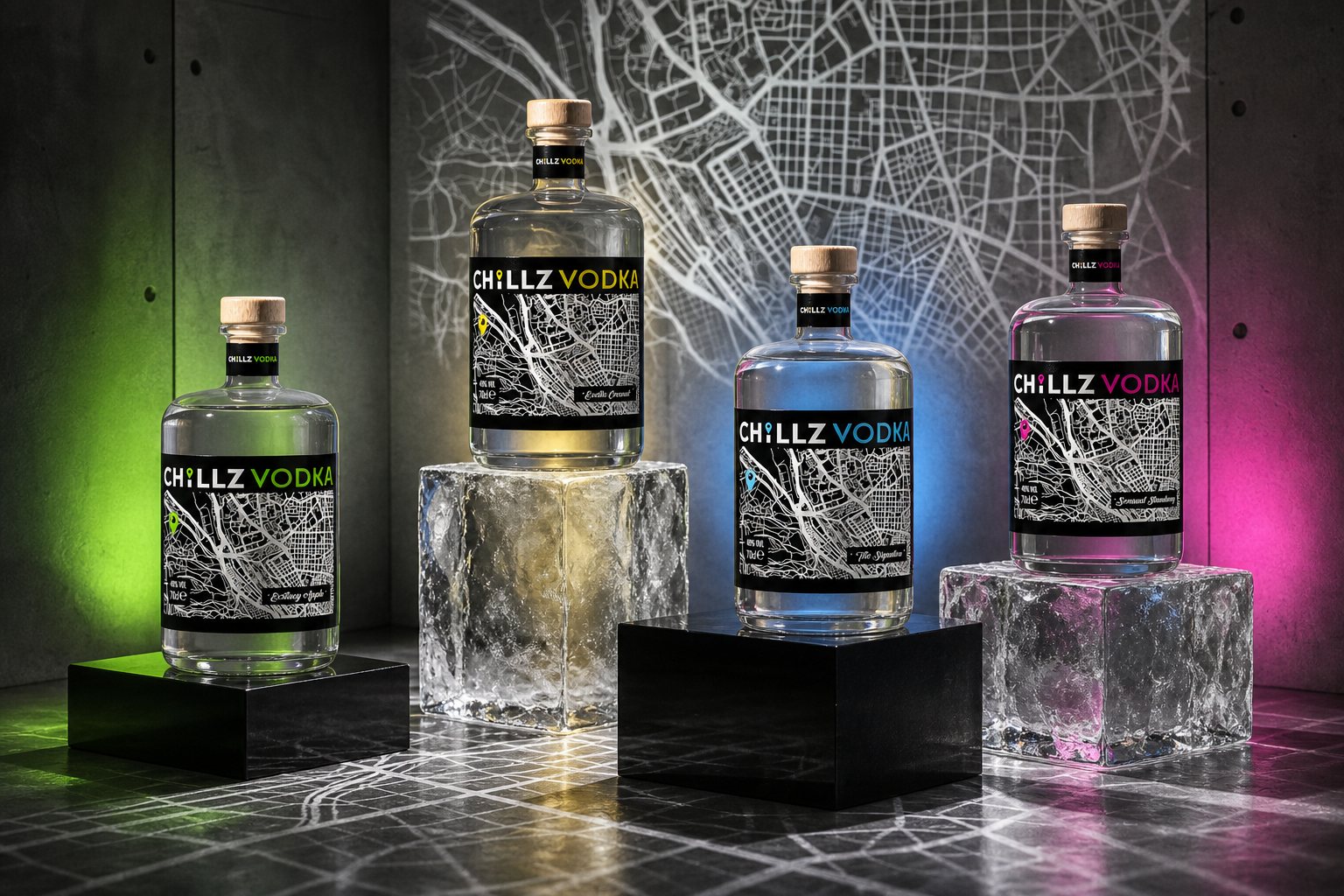
Bottle label design for standout brands.
Distinctive label systems built around bottle shape, visible face, application direction, wet-use environments and the information required for the product category.
- Formats
- Front, back and wrap labels
- Best for
- Drinks, food, beauty and lifestyle
- Focus
- Recognition, material and application
Identity engineered around the bottle
Own the visible face and plan the information around it.
A bottle label is read on a curved surface, often through condensation, refrigeration, oil, water or repeated handling. Bottle taper, seams, embossed glass, label panels and application direction all affect the design.
I create distinctive front and back label systems or wrap labels, then adapt approved routes to the selected stock, adhesive, print method, finish and supplier specification.
Three bottle-label priorities
Recognition, application and range order.
The strongest front label works with the bottle silhouette and leaves the back or side information structured, legible and practical.
-
Distinctive front face
Create a clear brand and product focal point that remains recognisable on shelf, bar, table or e-commerce thumbnail.
-
Bottle-aware layout
Account for circumference, taper, seam, embossed areas, label panel and application tolerances before final artwork.
-
Range navigation
Control colour, illustration, name, strength, size and variant changes across a growing label family.
Label production reality
The bottle, adhesive and filling line all matter.
Technical inputs should include bottle drawings, label panel dimensions, circumference, taper, seam position, application direction, filling temperature, storage environment and printer specification. Front-and-back, wrap and direct-print solutions each require different artwork logic.
Stock, adhesive, opacity, varnish, foil, wet strength and scuff resistance should be tested on the final bottle and filling line. The supplier remains responsible for application performance, material compatibility and final technical approval.
A bottle-label workflow
From bottle geometry to applied proof.
-
Confirm
Gather bottle drawings, label panel, application, environment, product category, variants and supplier details.
-
Compose
Develop the front focal point, back information structure, stock direction and representative routes.
-
Expand
Apply the approved system across flavours, strengths, sizes, product types and regional information.
-
Proof
Prepare printer files and review colour, finish, die-cut, application and wet-use performance on the bottle.
The brand, printer, label supplier, bottle manufacturer and filler retain responsibility for legal copy, component compatibility, application performance and final approval.
Bottle label scope
A complete identity and application system.
Work can cover a new label family, an existing-brand refresh or production adaptation where approved brand, bottle and technical files already exist.
- Bottle label identity
- Front and back label hierarchy
- Wrap-label composition
- Stock, adhesive and finish direction
- Multi-variant label architecture
- Printer and application liaison
Before the label project begins
Bottle label questions.
Do you design the bottle as well as the label?
The service can work with an existing bottle or support bottle selection. Custom glass engineering and testing remain with the bottle manufacturer.
What technical information is needed?
Bottle drawings, label panel dimensions, circumference, taper, seam position, application direction, filling conditions, storage environment and printer specification.
Can labels withstand condensation or bathroom use?
The visual design can account for those environments, but the label stock, adhesive, ink and finish must be tested and approved by the supplier.
Can one label system cover several flavours or products?
Yes. A master system can control name, colour, illustration, strength, size and legal-copy variables across the range.
Can you organise information for alcoholic drinks?
Yes. Client-approved legal information can be built into the hierarchy. Spirit category names, strength, net quantity and other requirements must be confirmed for the intended sales territory.
Have a bottle and product ready to brief?
Turn the label into the product's strongest asset.
Share the bottle drawing, product category, label format, SKU count, filling environment, printer status and target launch window.