
Food and FMCG packaging design
Food packaging design for shelf, shopper and production.
Brand identity, packaging design and production artwork for food launches, refreshes and ranges. Work directly with Tony to develop appetite appeal, clear flavour navigation and a pack system that fits the real format.
- Formats
- Labels, pouches, sleeves and cartons
- Best for
- Launches, refreshes and ranges
- Working model
- Direct senior involvement
Selected packaging projects
See how the work comes together.

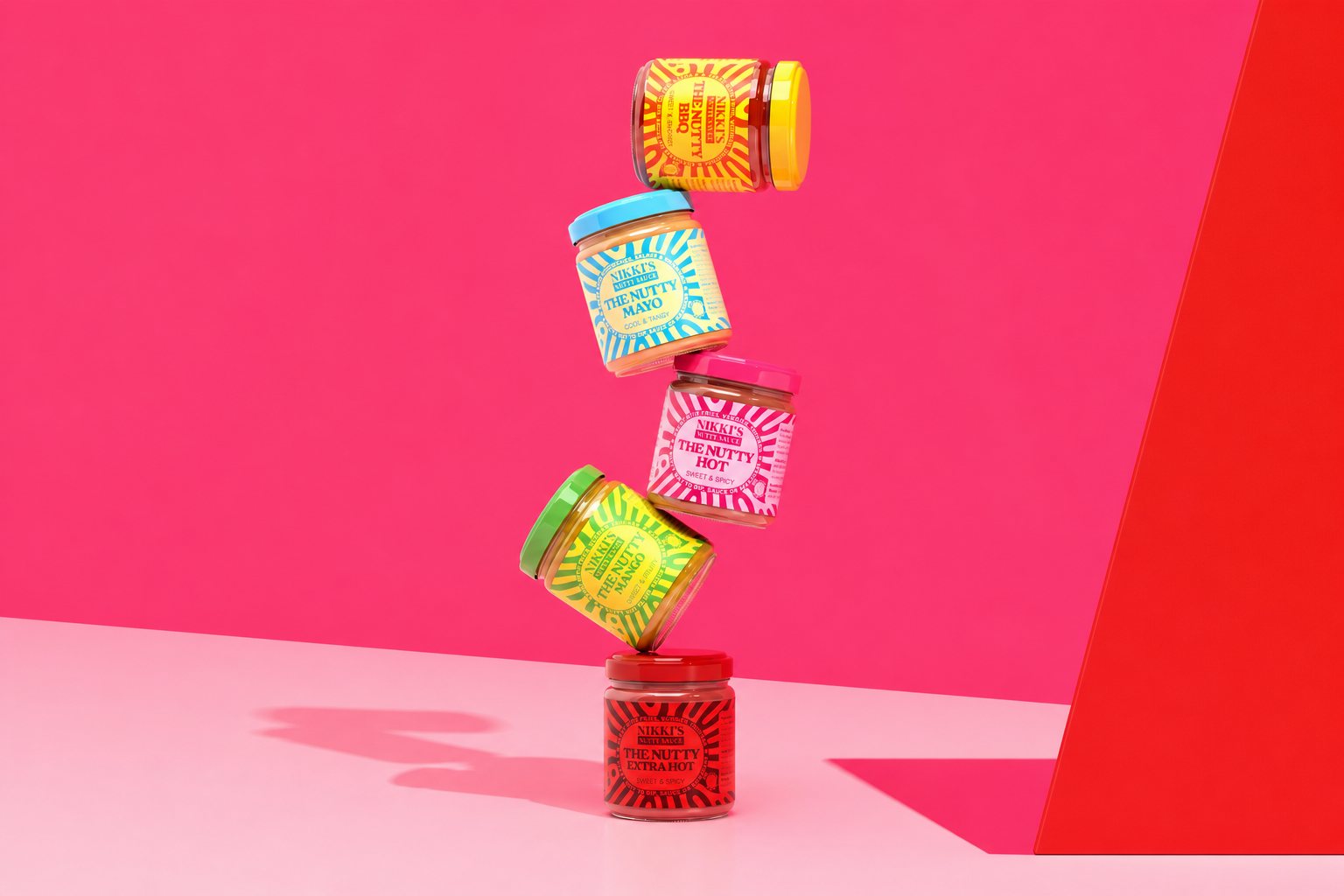
Nikki Nutty Sauces: Sauce Label and Packaging Design
Sauce label design for Nikki Nutty Sauces uses bold two-tone colour and ingredient illustrations to unite a playful five-flavour range.
Explore the project
Yasmeen's Kitchen Halal Ready Meal Packaging Design
Halal ready meal packaging for Yasmeen's Kitchen uses vibrant colour, bold graphics and clear sleeve hierarchy for supermarkets.
Explore the project
LeeLee's Vegan Snack Packaging Design
Vegan snack packaging design for LeeLee's uses purple and gold, oversized type, clear hierarchy and realistic 3D mockups.
Explore the projectChoose the starting point
Design support shaped around your project.
A new product
Develop the packaging direction and master pack. Brand identity can be scoped alongside the packaging if you are starting with a name and an idea.
An existing pack
Review what needs to change, retain useful brand recognition and resolve the design on your confirmed format.
A growing range
Establish shared rules for the master design, then agree the variants, formats and artwork adaptations needed for rollout.
Your proposal defines the deliverables, revision stages, timetable and final files. Printing, manufacturing, specialist approvals and launch imagery are identified separately where relevant.
Appetite appeal with information order
Make the product desirable and the range easy to buy.
Food packaging has to win attention in a crowded category while carrying a substantial amount of approved information. Product naming, flavour, appetite cues and brand recognition must work alongside ingredients, allergens, nutrition, net quantity and usage guidance.
I create systems that stay coherent across variants and pack sizes, with realistic space for the information, coding and retailer requirements supplied for the project.
Three food-pack priorities
Fast recognition with disciplined detail.
The front sells the product. The whole pack must still support accurate information, range navigation and repeatable production.
-
Appetite and character
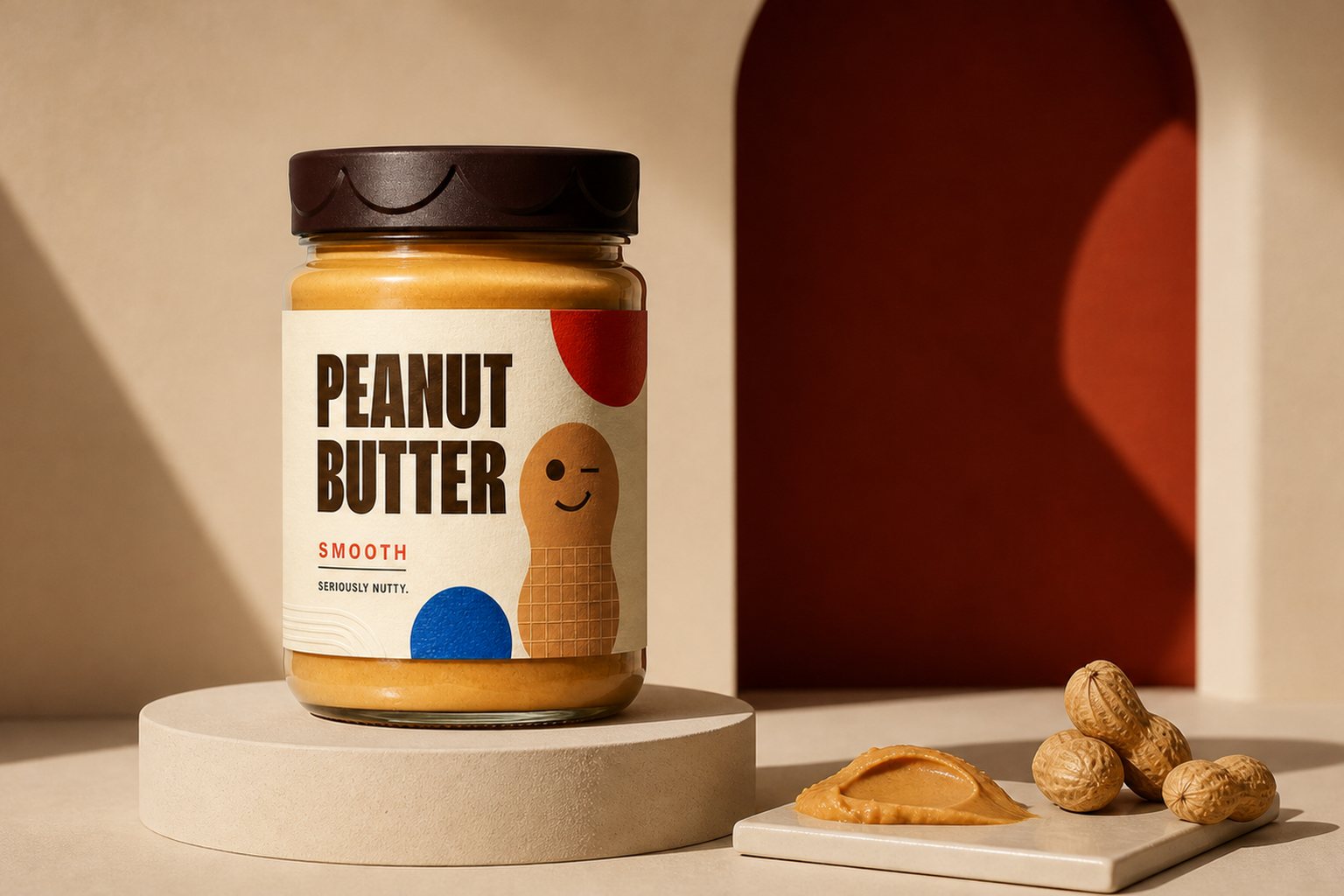
Use product cues, colour, photography or illustration with enough restraint for the brand and product name to stay clear.
-
Range navigation
Separate flavours, sizes and formats through a controlled system that remains recognisable across shelf and e-commerce thumbnails.
-
Information planning
Reserve realistic space for client-approved ingredients, allergens, nutrition, net quantity, storage, preparation and coding.
Food production awareness
The approved information has to fit the real pack.
The supplier specification should identify seals, folds, gussets, crimps, eye marks, label panels, coding zones and safe areas before final artwork begins. Flexible film movement, reverse printing, white ink and pack distortion may also change how the design is built.
The food business or appointed technical adviser remains responsible for the accuracy and completeness of ingredients, allergens, nutrition, claims and other mandatory information. Food-contact suitability and barrier performance must be confirmed by the packaging supplier.
A food-pack workflow
From product story to approved supplier files.
-
Gather
Confirm product, format, approved copy status, variants, retailer route, supplier and launch timing.
-
Structure
Set the hierarchy for brand, product name, flavour, benefit cues and required information.
-
Design
Develop the visual system across the master pack and representative SKUs before range rollout.
-
Prepare
Adapt approved routes to final dielines, technical limits and the supplier preflight process.
Final food information, legal copy, retailer approval and technical performance remain the responsibility of the food business and its appointed specialists and suppliers.
Food packaging scope
Support shaped around the range.
The scope can begin with one hero SKU or cover an entire family where approved information and technical files are available.
- Food brand and packaging identity
- Front-of-pack hierarchy
- Flavour and SKU navigation
- Information panel planning
- Artwork on supplier-approved dielines
- Retailer and supplier artwork liaison
Production and approval details
Before the food project begins
Food packaging questions.
How much will my packaging design project cost?
The fee depends on the agreed scope: existing brand assets, pack formats, number of products, concept and revision stages, artwork and any launch visuals. Read the packaging design cost guide, or send a short enquiry for a project-specific estimate. Printing and manufacturing costs are separate from design fees.
How long will the project take?
The timetable is agreed after reviewing the formats, number of products, required design stages and approval process. Share your target launch date at the first enquiry so we can establish a realistic sequence for design, feedback, artwork and supplier checks.
What files and revisions are included?
Your written proposal defines the concept stages, revision rounds, SKU adaptations and final files before work begins. Print-ready artwork is scoped against approved supplier files. Editable source files, extra variants and 3D launch imagery should be expressly included where needed.
Can I enquire before I have a supplier or a finished brief?
Yes. Start with the product and what you want to achieve. You do not need a finished brief or a dieline to make an initial enquiry. Final manufacturing artwork needs confirmed supplier specifications. Arrange a project consultation if you would like to talk through the starting point.
What information is needed before food packaging design begins?
Ideally the approved product name, ingredients, allergens, nutrition, net quantity, business address, storage and preparation information, target markets and supplier dieline.
Can you organise allergens and mandatory information clearly?
Yes. Client-approved copy can be structured for visibility and legibility. The food business or technical adviser must confirm that the supplied information is accurate and complete.
Can you work to supermarket artwork requirements?
Yes. Current retailer and supplier guidance should be provided at the start so the layout can allow for required panels, codes, print tolerances and approval workflows.
Can the design scale across flavours and pack sizes?
Yes. A controlled range system can separate brand constants from flavour, size, nutritional and promotional variables.
Do you specify food-contact materials?
Material options can inform the design, but suitability, migration, barrier performance and food-contact compliance must be confirmed by the manufacturer or packaging technologist.
Launching or refreshing a food product?
Give the range a clearer reason to be chosen.
Tell me about the product, what needs designing and any launch timing you have in mind. A short enquiry is enough to start; I will review the details and discuss the appropriate scope and next steps with you.


