
Supplement and nutraceutical packaging
Supplement packaging design built on trust and hierarchy.
Packaging identity, label structure and range design for vitamins, powders and nutraceuticals. Work directly with Tony to make ingredients, strengths and formats easier to navigate, using the approved product information supplied for your project.
- Formats
- Tubs, pouches, labels and cartons
- Best for
- Vitamins, powders and nutraceuticals
- Focus
- Trust, claims and SKU clarity
Selected packaging projects
See how the work comes together.

Frank Fruities Vitamin Gummy Packaging Design
Vitamin gummy packaging design for Frank Fruities uses bright ingredient colours, playful fruit shapes and bold type across the range.
Explore the project
Heka Rituals Collagen Supplement Packaging Design
Collagen supplement packaging design for Heka Rituals uses bold colour, clean type and a clear system for women's wellness products.
Explore the projectChoose the starting point
Design support shaped around your project.
A new product
Develop the packaging direction and master pack. Brand identity can be scoped alongside the packaging if you are starting with a name and an idea.
An existing pack
Review what needs to change, retain useful brand recognition and resolve the design on your confirmed format.
A growing range
Establish shared rules for the master design, then agree the variants, formats and artwork adaptations needed for rollout.
Your proposal defines the deliverables, revision stages, timetable and final files. Printing, manufacturing, specialist approvals and launch imagery are identified separately where relevant.
Credibility without category sameness
Build trust before adding more claims.
Supplement packaging often contains dense information and competing benefit messages. Strong design creates a clear reading order without making an ordinary food supplement appear medicinal or relying on claims the brand cannot substantiate.
I build recognisable systems across ingredients, strengths, flavours, formats and pack counts while reserving realistic space for approved dosage, warnings, nutrient quantities and other required information. Frank Fruities uses fruit shapes and bright ingredient colour to navigate a vitamin gummy range. Heka Rituals uses bold colour and clean type across collagen supplements for women’s wellness.
Three supplement-pack priorities
Credible, navigable and built to scale.
The design should help shoppers understand what the product is, who it is for and how variants differ without overwhelming the front.
-
Trust at first glance
Use disciplined typography, evidence-led messaging and a distinctive brand system instead of default clinical category codes.
-
Claim control
Separate the product designation, approved nutrition or health claims, ingredient cues and supporting details into a defensible hierarchy.
-
Range navigation
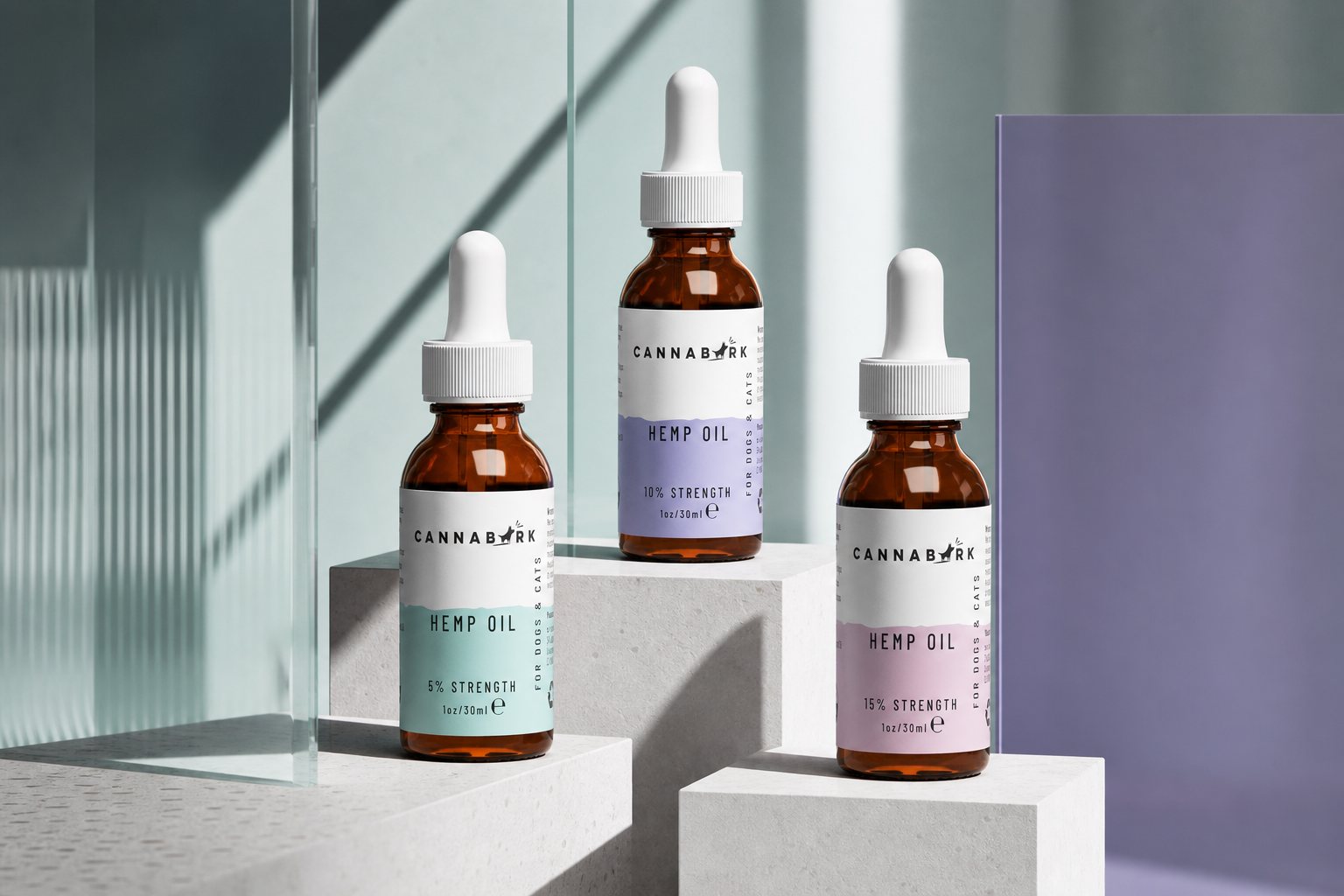
Make ingredient, strength, flavour, serving count and format differences easy to recognise across a growing portfolio.

Supplement production awareness
Dense information needs a deliberate structure.
The usable label or pouch area is mapped around seams, curves, closures, coding, barcode zones and supplier limits. Type size, reading order and the split between front, side and back are resolved before final artwork is rolled across the range.
Approved claims and required wording must be supplied and validated by the client or regulatory adviser. Regional versions may require different claims, addresses, language and warnings, so one artwork should not be assumed to work in every market.
A supplement-pack workflow
From product data to a controlled range.
-
Audit
Gather formula, format, approved claims, dosage, warnings, variants, markets and supplier files.
-
Prioritise
Define what belongs on the front and how the detailed information should flow around the pack.
-
Systemise
Develop one master architecture for ingredient, strength, flavour, format and pack-count changes.
-
Prepare
Apply approved information to final supplier dielines and resolve print and preflight requirements.
The brand and its appointed regulatory specialists retain responsibility for product classification, claims, ingredients, warnings and final legal approval.
Supplement packaging scope
A credible system for every variant.
The service can cover a new brand and range, a focused refresh or production artwork where the strategic and regulatory inputs are already approved.
- Supplement packaging identity
- Front-of-pack claim hierarchy
- Dosage and warning information planning
- Ingredient and strength navigation
- Multi-SKU master artwork system
- Supplier preflight and artwork liaison
Production and approval details
Before the supplement project begins
Supplement packaging questions.
How much will my packaging design project cost?
The fee depends on the agreed scope: existing brand assets, pack formats, number of products, concept and revision stages, artwork and any launch visuals. Read the packaging design cost guide, or send a short enquiry for a project-specific estimate. Printing and manufacturing costs are separate from design fees.
How long will the project take?
The timetable is agreed after reviewing the formats, number of products, required design stages and approval process. Share your target launch date at the first enquiry so we can establish a realistic sequence for design, feedback, artwork and supplier checks.
What files and revisions are included?
Your written proposal defines the concept stages, revision rounds, SKU adaptations and final files before work begins. Print-ready artwork is scoped against approved supplier files. Editable source files, extra variants and 3D launch imagery should be expressly included where needed.
Can I enquire before I have a supplier or a finished brief?
Yes. Start with the product and what you want to achieve. You do not need a finished brief or a dieline to make an initial enquiry. Final manufacturing artwork needs confirmed supplier specifications. Arrange a project consultation if you would like to talk through the starting point.
What information is required on a supplement pack?
Depending on the market, this can include the term food supplement, ingredients, dosage, warnings, storage instructions, nutrient quantities, durability information and the statement that supplements should not replace a varied diet.
Can you help with nutrition and health claims?
Client-approved claims can be structured clearly, but the client must confirm that each claim appears in the applicable register and that its conditions of use are met.
Can dense information fit on a small label?
Often, yes. The design should establish a disciplined reading order, realistic type size and a clear split between front, side and back information before artwork begins.
Can the design scale across strengths and ingredients?
Yes. Colour, naming and coded information can help shoppers distinguish variants while preserving one recognisable master brand.
Can the same artwork be used internationally?
Not automatically. Markets can require different wording, addresses, claims and language. Regional artwork versions should be planned and approved separately.
Launching or restructuring a supplement range?
Make trust and navigation part of the design.
Send the product format, ingredients or formula category, number of strengths or flavours, intended market, supplier status and launch timing. Tell me which product information and claims have been approved so the design scope can cover the right range and artwork stages.