
Leaflet and brochure design
Editorial structure that turns information into a clear sales story.
Leaflets and brochures designed to guide readers through an offer, product range or launch with disciplined hierarchy, useful pacing and production-ready artwork.
- Formats
- Leaflets, brochures and handouts
- Best for
- Sales, launches and events
- Outputs
- Print-ready and digital PDF
Information with a reading order
Give the audience a reason to keep turning the page.
A brochure should do more than place approved copy into columns. The content needs a clear opening promise, useful sections, controlled emphasis and enough visual variation to keep the reader oriented.
I turn supplied content and brand assets into a coherent editorial system, then resolve it for the chosen fold, binding, stock, distribution method and digital use.
Three editorial priorities
Structure first. Expression where it helps the message.
The format is designed around the way a reader encounters and uses the information, whether in a meeting, at an event or on screen.
-
Content hierarchy
Organise headlines, proof points, specifications and calls to action into a clear sequence.
-
Page rhythm
Balance dense and open moments so longer information remains approachable.
-
Format awareness
Design around folds, binding, trim, viewing distance and digital navigation from the start.
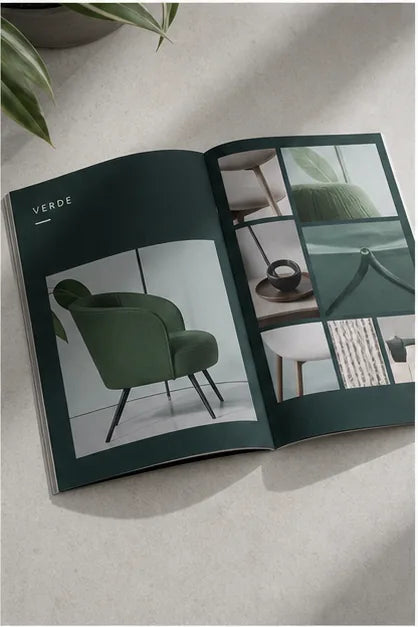
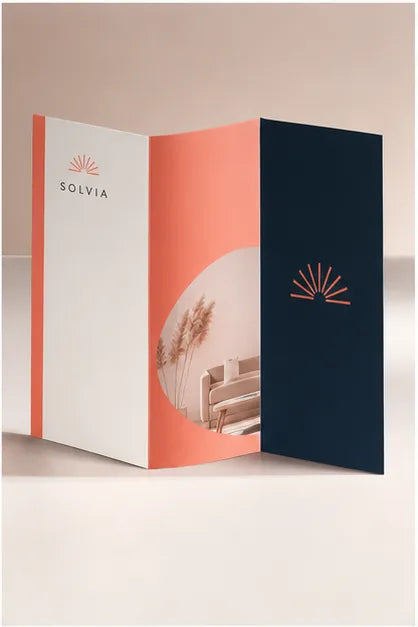
Editorial production
Folds, binding and page count shape the design.
Panel order, creep, gutters, image resolution, bleed, total ink coverage and finishing requirements depend on the selected format and printer. These constraints are planned before final pagination and artwork release.
Digital PDF versions can be prepared separately for smaller file size, screen colour, active links and a reading experience that does not rely on physical folds.
A clear working process
From supplied content to a coherent publication.
-
Organise
Confirm audience, purpose, approved copy, imagery, format, quantity and distribution.
-
Structure
Plan the page or panel sequence and establish an editorial hierarchy.
-
Design
Develop the visual system and resolve the full document through staged reviews.
-
Release
Supply print-ready artwork and an optimised digital version where required.
Final copy approval, quantities, stock, finishing, colour expectations and print production remain subject to the appointed printer's specification and proofing process.
Editorial design scope
A publication system shaped around the content.
The scope is based on page count, copy status, image availability, format and the number of review stages required.
- Content and pagination planning
- Cover and internal design system
- Leaflet or brochure page design
- Image placement and basic art direction
- Print-ready artwork
- Interactive or optimised PDF export
Before the project begins
Leaflet & Brochure Design questions.
Do I need final copy before design begins?
A clear content structure is needed. Draft copy can be used for early planning, but final layout and proofreading should use approved text.
Can you help organise a large amount of information?
Yes. Content can be grouped into a logical hierarchy, with repeated formats for specifications, case studies, ranges and calls to action.
Will I receive both print and digital versions?
Yes, if included in scope. Print and screen PDFs are prepared separately because their colour, image and navigation requirements differ.
Can you work with our existing brand guidelines?
Yes. The publication can extend an established identity while introducing enough editorial structure for the content.
Who checks the final copy?
The client is responsible for final factual, legal and proofreading approval. A clean review PDF is supplied before artwork release.
Have a story, range or event to explain?
Turn the information into something people can navigate.
Share the audience, purpose, draft copy, page count, format, printer status and deadline. I will identify the right editorial structure and production route.