



A packaging designer helps a product brand turn an idea into packaging that is clear, credible, attractive, and ready for production. The job is not just choosing colours or putting a logo on a box. A strong packaging designer thinks about the customer, the category, the print process, the product range, and the buying moment.
For startups and growing brands, packaging is often the first serious test of the brand. It has to explain what the product is, make the brand feel trustworthy, and give the customer a reason to choose it. That is why packaging design sits somewhere between graphic design, brand strategy, product marketing, and production artwork.
A packaging designer is not just decorating a box
Good packaging has a job to do. It needs to be noticed, understood, trusted, and remembered. A packaging designer makes decisions about hierarchy, typography, colour, claims, materials, finishes, and layout so the pack can work in real buying situations.
That might mean simplifying the front label so the product benefit is instantly clear. It might mean building a flavour or scent system so customers can tell variants apart. It might mean creating a premium visual language so a new product can sit confidently next to bigger competitors.
What a packaging designer actually creates
The exact deliverables depend on the product, but a professional packaging design project can include brand direction, logo refinement, label design, carton design, pouch design, bottle or can artwork, range architecture, print-ready files, source files, product mockups, and 3D renders.
For a single product, the focus may be one hero pack. For a wider launch, the packaging designer will usually create a system: rules for layout, colours, typography, product naming, icon style, claims, and variant coding. That system makes the brand easier to scale when new products are added later.
Why packaging design is different from normal graphic design
Packaging design has more constraints than many other areas of graphic design. A website banner can be changed tomorrow. A printed pack has production costs, minimum order quantities, dielines, material limitations, barcode requirements, ingredient panels, legal copy, and physical space limits.
This is why specialist packaging design matters. The work needs to look good, but it also needs to survive the print process and make sense on a real object. A design that looks beautiful as a flat concept can fail if it does not fit the dieline, read at shelf distance, or leave enough room for mandatory information.
How a packaging designer helps a product sell
A product does not get long to make its case. Whether it is on a shelf, in an Amazon listing, on a Shopify product page, or in a social ad, the pack has to communicate quickly. A packaging designer shapes the visual order so the customer sees the right information first.
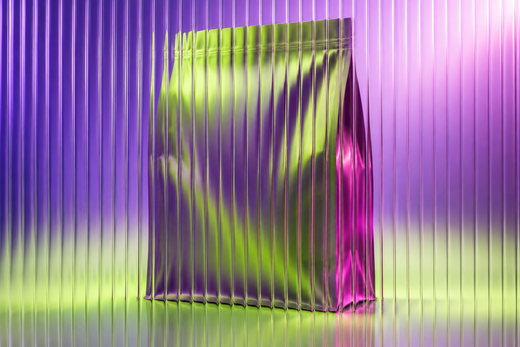
For example, a skincare product may need to communicate the product type, hero ingredient, skin concern, trust cues, size, and brand personality. A drink can may need flavour, refreshment cues, category positioning, and shelf impact. A supplement pouch may need clarity, compliance-sensitive wording, and a feeling of confidence.
Where brand design, logo design, and 3D renders fit in
Packaging is usually stronger when the brand identity is properly resolved first. If the logo, type system, colours, and tone are unclear, the packaging has to solve too many problems at once. That is why packaging design often overlaps with brand and packaging design.
3D renders are useful once the design direction is clear. They help founders see the packaging in a more realistic form and give the brand launch-ready visuals for ecommerce, pitch decks, adverts, and social content. You can also view my 3D rendering services if your product needs visuals before physical photography is possible.
What to prepare before hiring a packaging designer
Before you brief a packaging designer, gather the product name, product type, target audience, competitor examples, product benefits, required pack copy, ingredients or mandatory information, barcode details if available, packaging format, measurements, dieline or printer template, and examples of styles you like or want to avoid.
The clearer the brief, the better the design work can be. It also reduces avoidable revision rounds because the designer can make decisions around real constraints rather than guessing what the product needs.
Packaging designer FAQs
Do I need a packaging designer if I already have a logo?
Yes, if you need the product packaging to sell clearly and look professional in market. A logo is only one part of the pack. The layout, hierarchy, typography, claims, colour system, and production artwork all need specialist design thinking.
Can a packaging designer create print-ready artwork?
A packaging designer can prepare print-ready artwork if the project includes final artwork setup and the printer supplies the correct dieline or specifications. This should be confirmed in the quote so there is no confusion between concept design and production-ready files.
Should I hire a packaging designer before choosing a supplier?
It often helps to speak to suppliers early, because pack format, materials, dimensions, and print methods affect the design. The best route is usually to develop the design with enough supplier information to avoid expensive changes later.
Work with a specialist packaging designer
If you are launching or redesigning a product, you can explore my bespoke packaging design services, browse my packaging design portfolio, or book a call to talk through what your product needs.